FastVideo FastH3 Omni Reference : 5-Product Ads Experiments
Introduction
In this article, we're testing FastVideo FastH3 Omni Reference in ComfyUI to see how well it handles multi-image reference-based video generation.
Omni Reference allows us to combine multiple input images to guide characters, clothing, objects, and environments within a generated video.
For this experiment, we're running five different generations on an NVIDIA L40 48GB GPU, using approximately 1MP resolution and 8 sampling steps. The first three experiments use 5-second durations, while the final two use 10 seconds.
We'll test fashion cinematography, product advertising, character consistency, science-fiction scenes, and multi-shot video generation.
For each experiment, we'll share the input images, prompts, settings, and generated outputs to evaluate visual consistency, motion quality, prompt adherence, and overall results.
Generation 1: Streetwear Fashion Film — 5 seconds
Input Image 1
Input Image 2
Input Image 3
Prompt
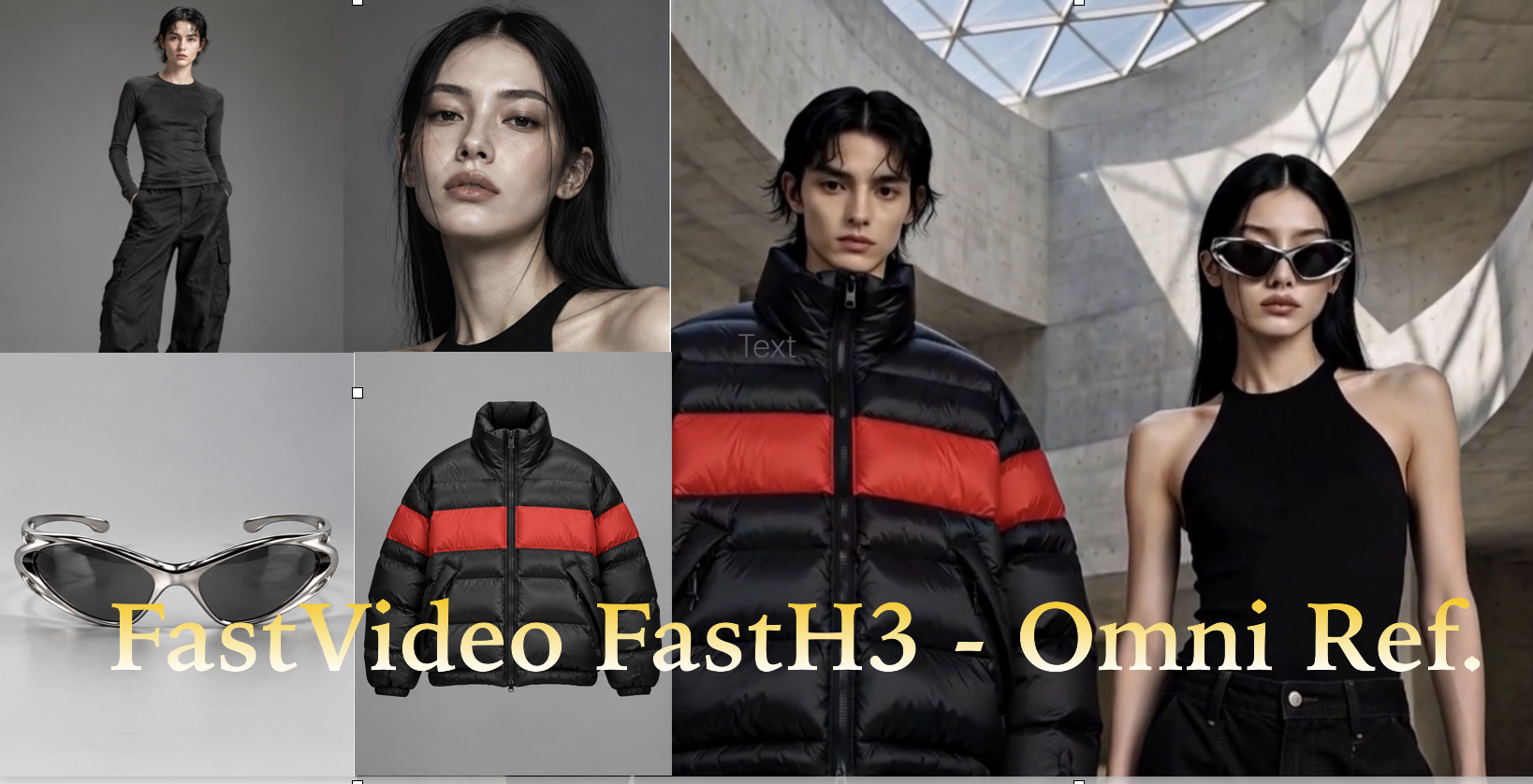
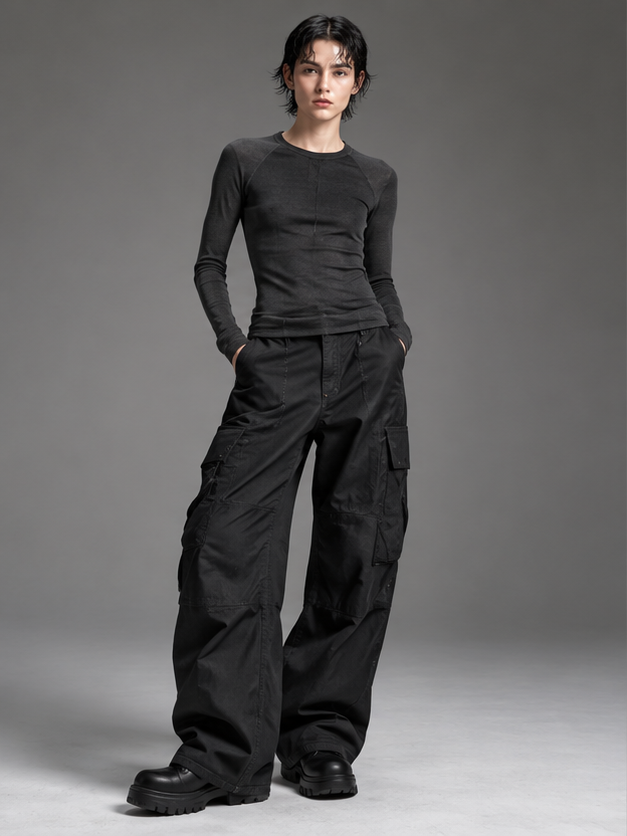
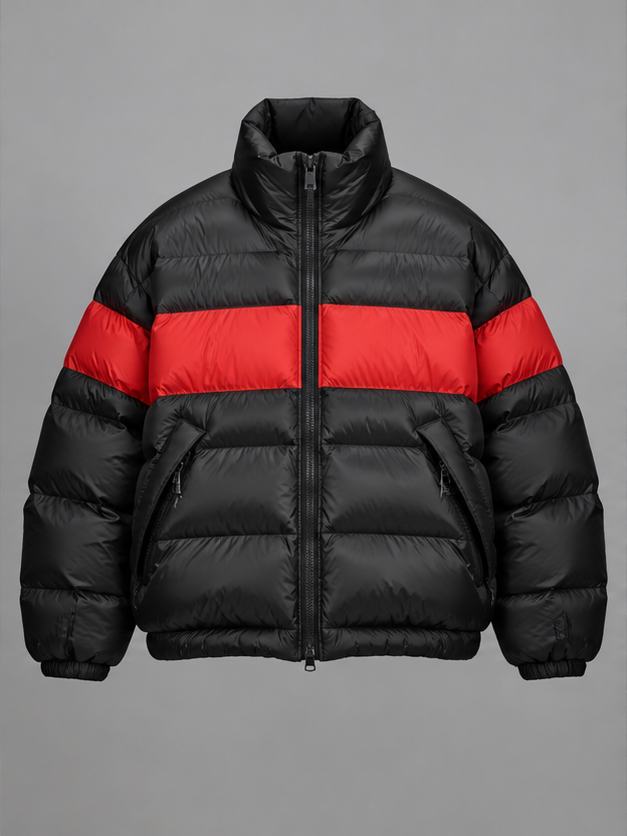
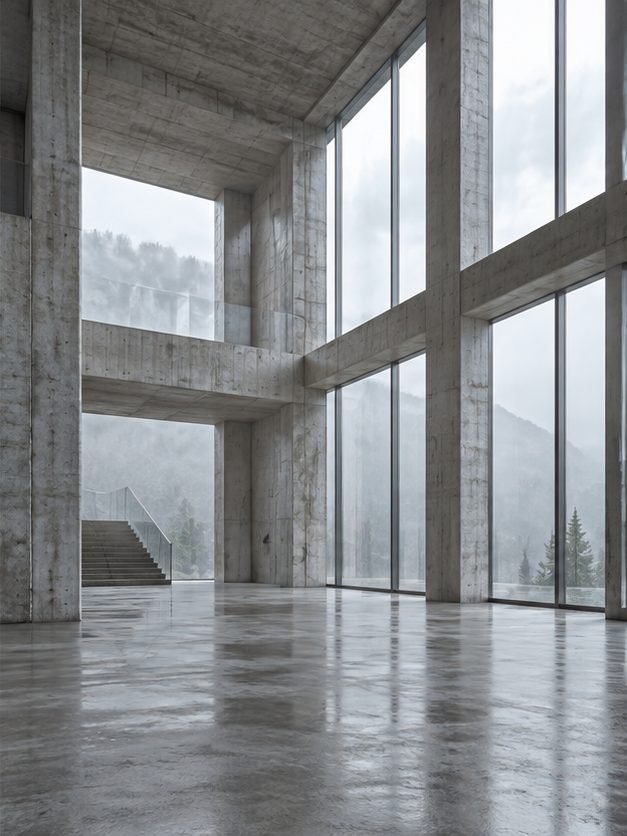
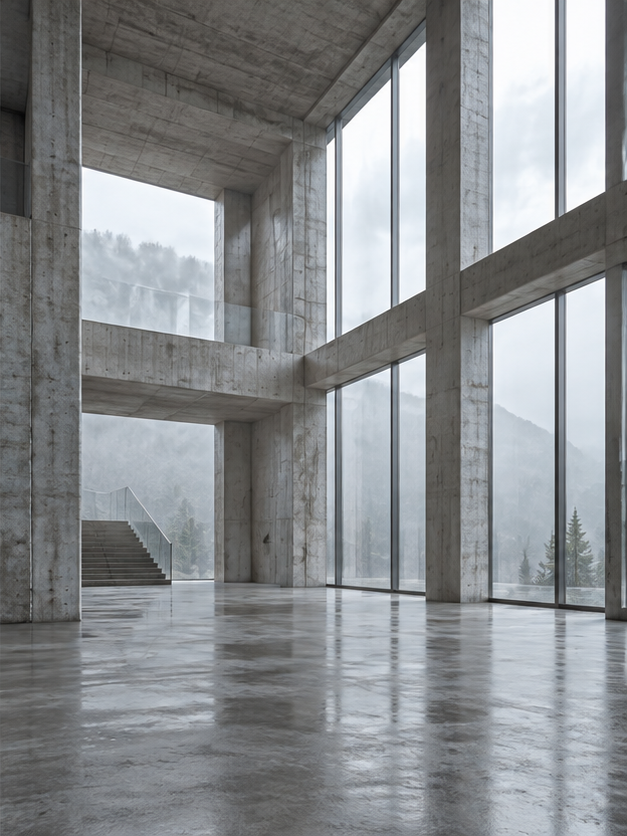
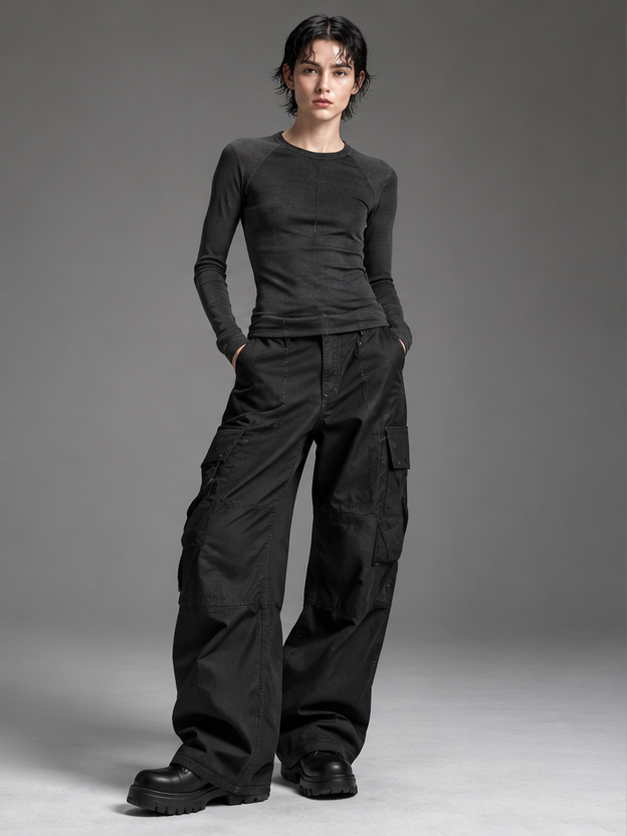
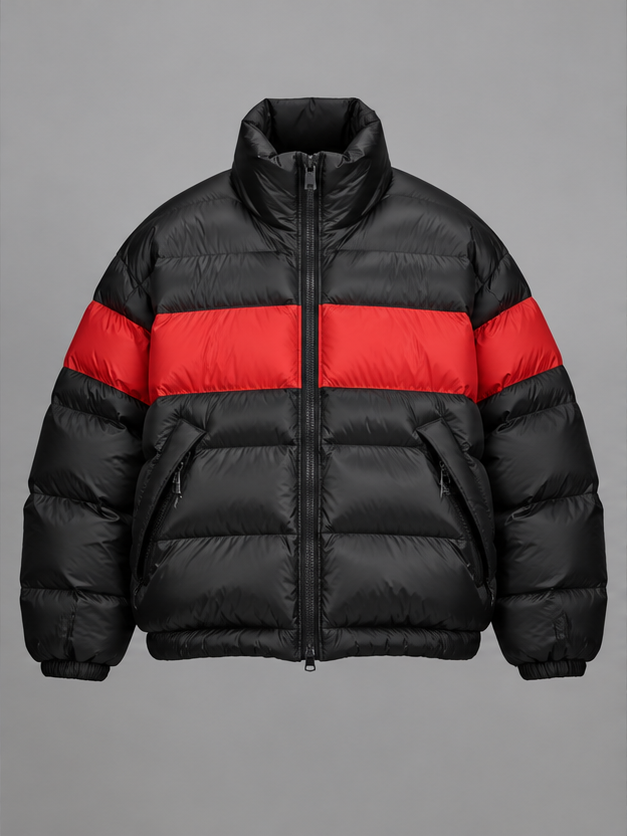
subject_definitions: <Subject 1> is the fictional adult fashion model in <Picture 1>. <Picture 2> is the specific oversized black puffer jacket that <Subject 1> wears. <Picture 3> is the brutalist concrete hall used as the location.
summary: [reference generation] A five-second, single-take high-fashion campaign with <Subject 1> wearing <Picture 2> inside <Picture 3>; powerful, minimal, photorealistic.
retention_analysis: <Subject 1> (Shot 1): fully_preserved — preserve the face, black choppy hair, facial proportions, relaxed androgynous styling, dark cargo trousers and boots of <Picture 1>. Preserve the puffer jacket's bulky silhouette, horizontal red chest band, quilting, collar and zipper exactly as <Picture 2>. Preserve the bare concrete and tall windows of <Picture 3>. Do not copy the gray studio background from <Picture 1> or <Picture 2>.
detailed_description: [Shot 1, 00:00–00:05] One continuous live-action full-body fashion shot. <Subject 1> stands at the far end of the hall from <Picture 3>, wearing the jacket from <Picture 2> over the outfit from <Picture 1>. The model takes three slow deliberate steps toward the camera. The camera tracks backward smoothly at hip height, then slowly raises to chest height. The red band stays a solid physical garment detail, not a floating graphic. At the end the model stops and turns their head ten degrees toward the windows. Natural cloth compression and soft shoe contact, realistic restrained movement, cold overcast light, subtle reflections on the concrete floor. No cuts, no extra people, no logos, no text overlays.
overall_soundscape: A low airy interior room tone, three distinct heavy rubber-sole footsteps, quiet fabric rustling and a distant wind through the windows.
non_diegetic_music: Sparse industrial sub-bass pulses with spacious pauses; understated, not overpowering the footsteps.
Setup Configs
Red Band — fashion film Duration: 5 seconds; choose 124 frames / 24 fps. Suggested FIRST test output: about 0.75 megapixels, preserve reference aspect ratio via the official template if possible. Ref_image_size: match. Steps: 8 | guidance: 1.0 | sigma shifts: video 12.0 / audio 3.0 | VSA: 10%
Connect ordered inputs into ref_images on MiniMaxH3ReferenceToVideo: <Picture 1> -> Picture_1.png -> the protagonist’s face, haircut, base pants and boots <Picture 2> -> Picture_2.png -> the exact black quilted puffer jacket with its broad red horizontal panel <Picture 3> -> Picture_3.png -> the concrete windowed hall and its cold daylight
Do not connect these images to the First Last Frame to Video node.
Actual render quality and VRAM requirements will vary.
Output
https://www.youtube.com/watch?v=zeKvMvNRG7A
Generation 2: Luxury Product Advertisement — 5 seconds
Input Image 1
Input Image 2
Input Image 3
Prompt
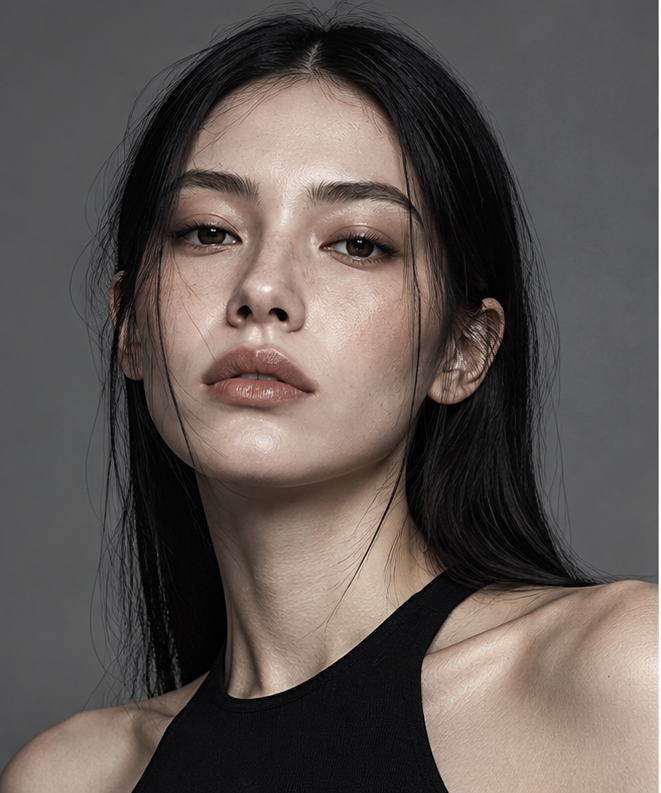
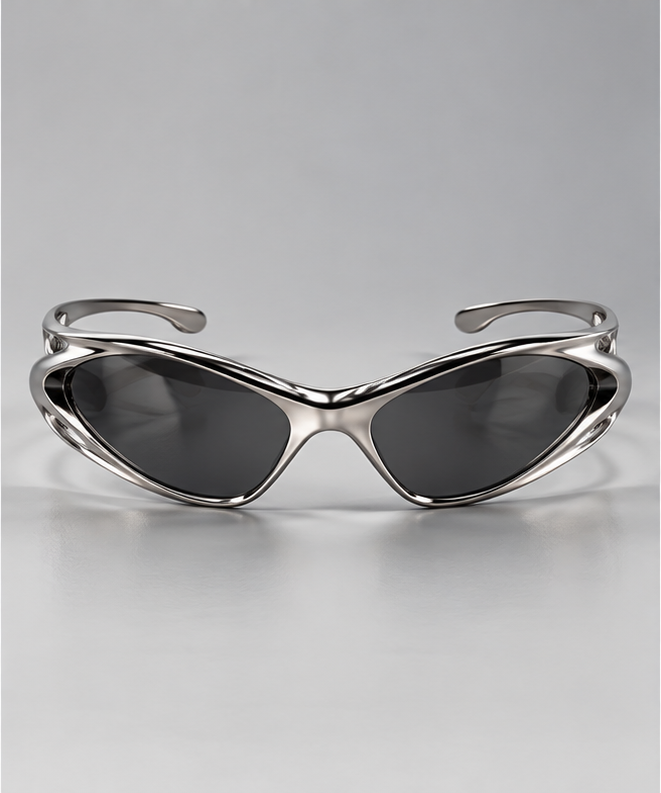
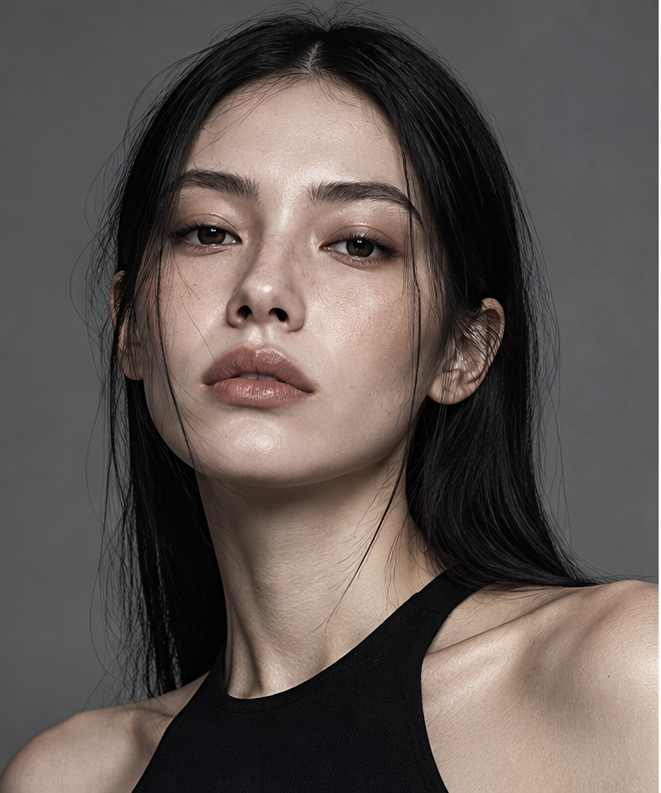
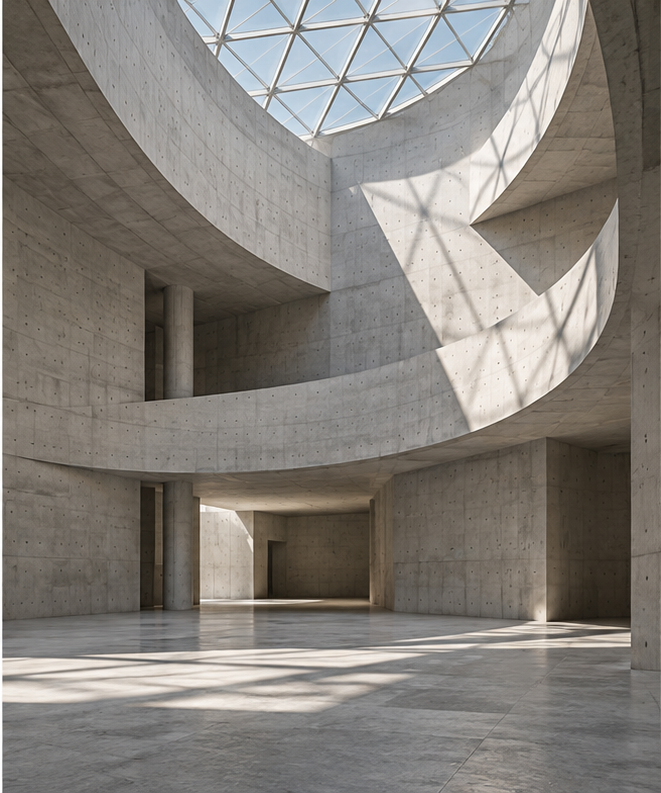
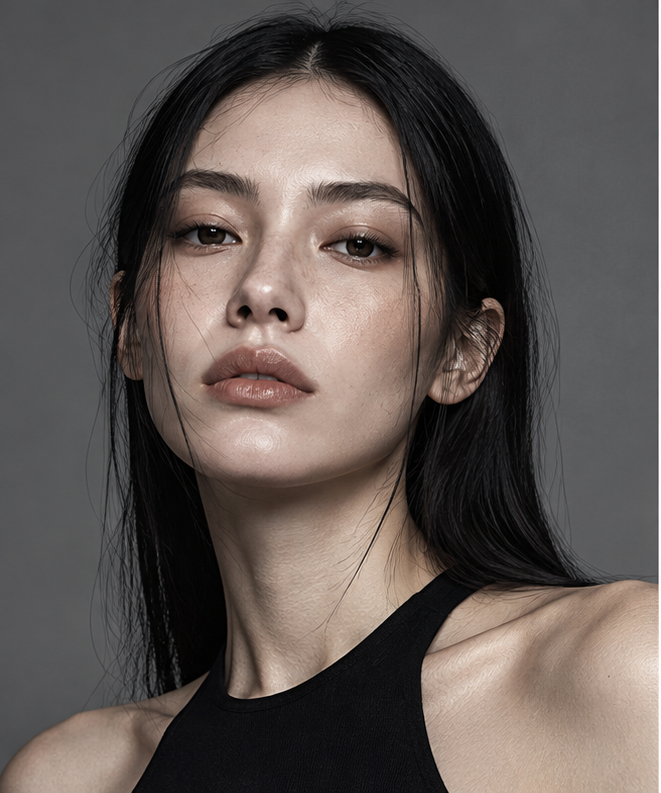
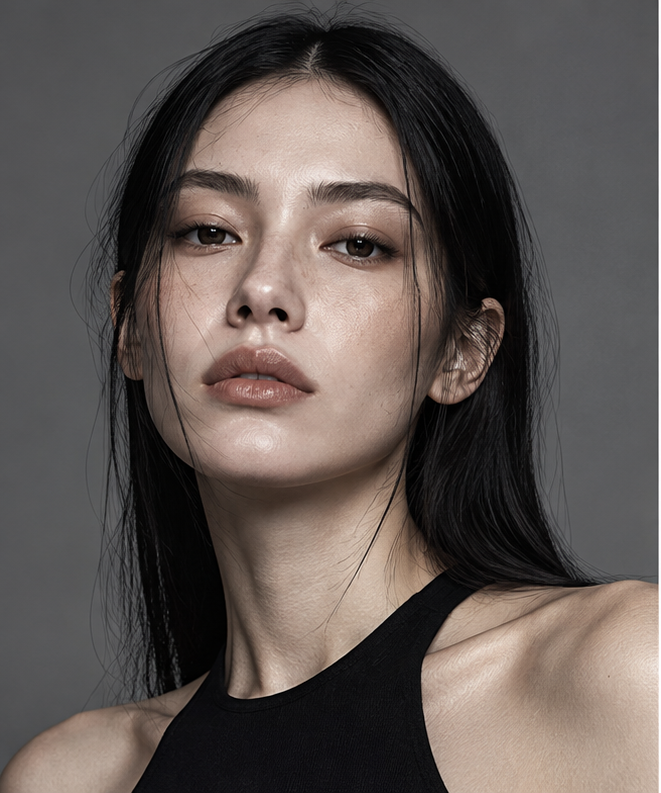
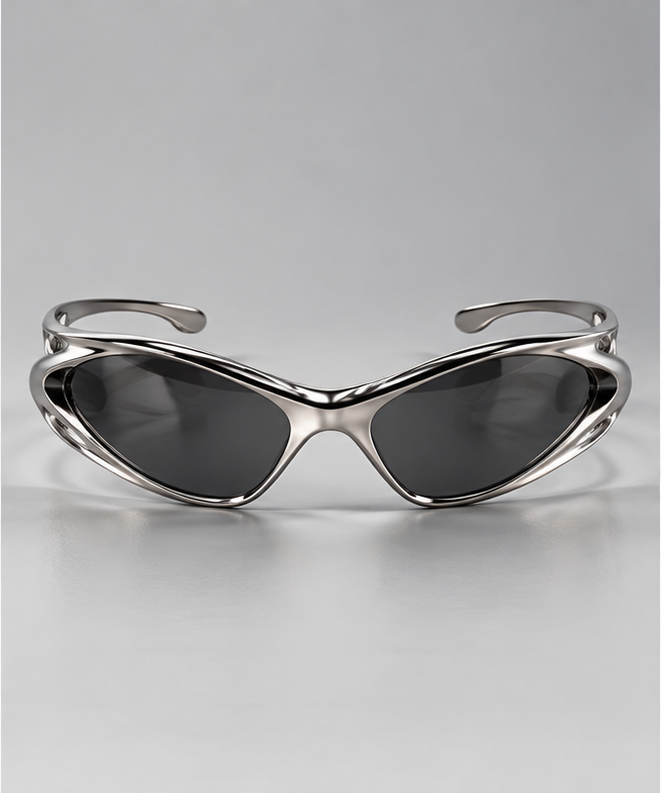
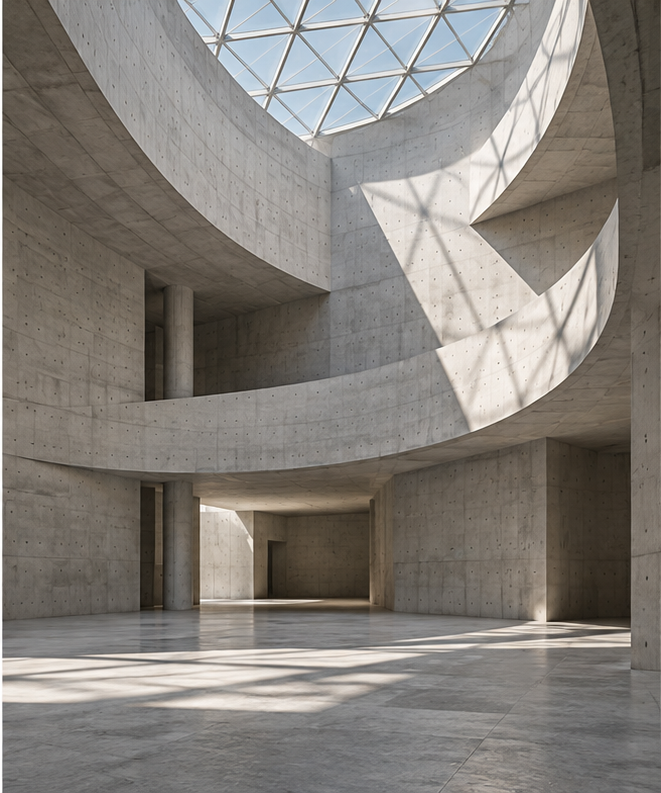
subject_definitions: <Subject 1> is the fictional adult woman from <Picture 1>. <Object 1> is the exact sculptural chrome wraparound sunglasses from <Picture 2>. <Location 1> is the curved concrete atrium from <Picture 3>.
summary: [reference generation] A five-second premium eyewear commercial: <Subject 1> models <Object 1> in <Location 1> with elegant natural movement and product clarity.
retention_analysis: <Subject 1> (Shot 1): fully_preserved — preserve the facial proportions, center-parted black hair, skin tone and black sleeveless top of <Picture 1>. <Object 1> (Shot 1): fully_preserved — preserve the unusual sweeping chrome top line, dark lens shape and bright polished metallic surface of <Picture 2>; it must rest realistically on her nose and ears. <Location 1> (Shot 1): background_reference — use the circular skylight, pale concrete curves, sunlight geometry and empty architectural volume from <Picture 3>. Do not treat the gray product-photo background as the scene.
detailed_description: [Shot 1, 00:00–00:05] One continuous photorealistic 85mm portrait shot inside <Location 1>. Medium close-up of <Subject 1> already wearing <Object 1>, standing almost still near a pool of skylight. A very slow camera arc, no more than 20 degrees, moves from her three-quarter left to a more frontal angle. She gently turns her chin toward the light and adjusts the right temple of her sunglasses once with her right hand. The chrome frame catches one clean highlight moving across it; keep the sunglasses design geometrically stable. Realistic hand-to-frame contact, natural eyelid motion, fine skin detail, high-end editorial color. No abrupt cuts or added products.
overall_soundscape: Open architectural ambience, quiet distant footsteps with gentle reverberation, soft clothing movement and a very faint breeze.
non_diegetic_music: Three restrained crystalline electronic notes over a warm, minimal ambient pad.
Setup Configs
Chrome eyewear — model, product and architecture Duration: 5 seconds; choose 124 frames / 24 fps. Suggested FIRST test output: about 0.75 megapixels, preserve reference aspect ratio via the official template if possible. Ref_image_size: match. Steps: 8 | guidance: 1.0 | sigma shifts: video 12.0 / audio 3.0 | VSA: 10%
Connect ordered inputs into ref_images on MiniMaxH3ReferenceToVideo: <Picture 1> -> Picture_1.png -> the model’s facial identity and dark hair <Picture 2> -> Picture_2.png -> the silver sculptural wraparound frame and dark lenses <Picture 3> -> Picture_3.png -> the circular skylight and sculptural concrete atrium
Do not connect these images to the First Last Frame to Video node.
Actual render quality and VRAM requirements will vary.
Output
https://www.youtube.com/watch?v=wH4LfL78n0M
Generation 3: Character Consistency — 5 seconds
Input Image 1
Input Image 2
Input Image 3
Prompt
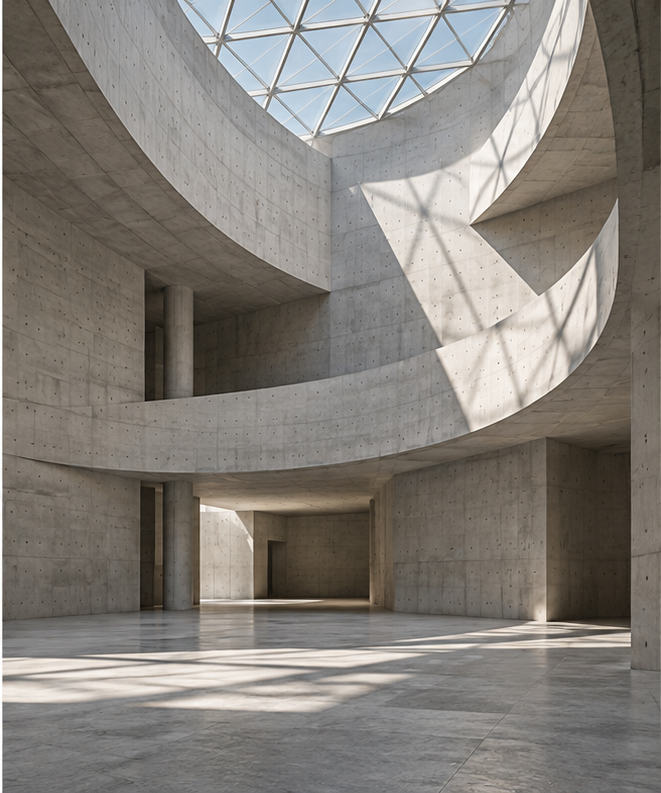
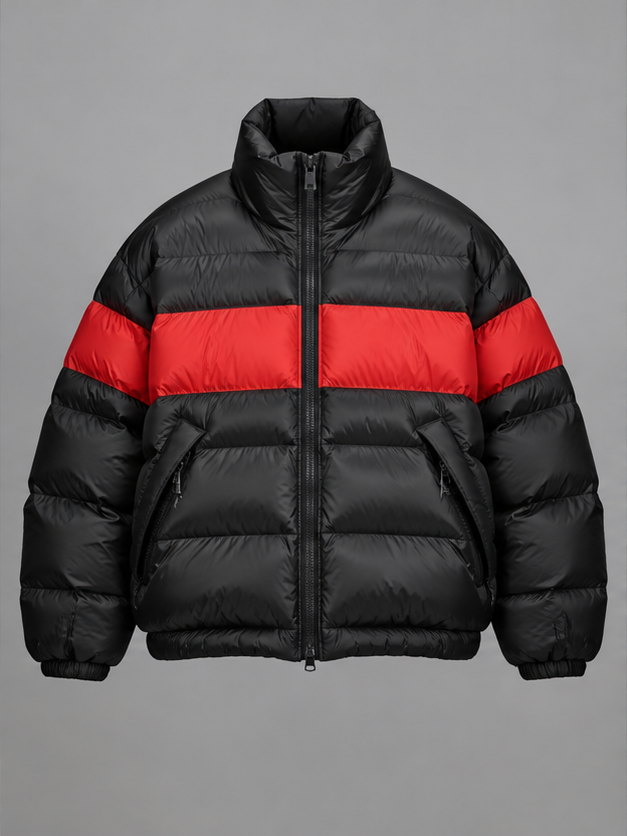
subject_definitions: <Subject 1> is the fictional woman in <Picture 1>. <Garment 1> is the black oversized puffer jacket with one broad solid red band in <Picture 2>. <Location 1> is the bright circular concrete atrium in <Picture 3>.
summary: [reference generation] A five-second wardrobe-transfer test: keep the identity of <Subject 1>, dress her in <Garment 1> and place her in <Location 1> in a new shot.
retention_analysis: <Subject 1> (Shot 1): fully_preserved — use the facial features, long center-parted black hair and skin appearance from <Picture 1>, even though the original outfit and gray studio are not used. <Garment 1> (Shot 1): fully_preserved — transfer the shape, thick quilting, upturned collar, black glossy fabric and red chest stripe from <Picture 2>. <Location 1> (Shot 1): background_reference — match the round skylight, raw concrete and sunlit floor from <Picture 3>. Do not transfer the head or body of a mannequin or an invisible product model.
detailed_description: [Shot 1, 00:00–00:05] Single unbroken live-action fashion shot. <Subject 1> stands under the skylight in <Location 1> wearing <Garment 1>, zipped up to the collar. Camera begins at waist-height in a medium shot and performs a gentle slow push-in. She looks up briefly toward the skylight, then lowers her eyes to the camera with a subtle serious expression. She slips both hands into the jacket pockets. The red band remains aligned and fixed around the jacket as her posture changes; jacket folds move naturally. Strong architectural shadows, realistic skin and garment materials. No cut, no extra clothing, no text or logos.
overall_soundscape: Bright quiet hall ambience, a light sleeve rustle, soft echo of distant air circulation.
non_diegetic_music: Slow minimal analog synthesizer and a low cinematic pulse.
Setup Configs
Cross-reference wardrobe transfer Duration: 5 seconds; choose 124 frames / 24 fps. Suggested FIRST test output: about 0.60 megapixels, preserve reference aspect ratio via the official template if possible. Ref_image_size: match. Steps: 8 | guidance: 1.0 | sigma shifts: video 12.0 / audio 3.0 | VSA: 10%
Connect ordered inputs into ref_images on MiniMaxH3ReferenceToVideo: <Picture 1> -> Picture_1.png -> face and person identity from collection B <Picture 2> -> Picture_2.png -> jacket and design from collection A <Picture 3> -> Picture_3.png -> new location, different from both source photos
Do not connect these images to the First Last Frame to Video node.
Actual render quality and VRAM requirements will vary.
Output
https://www.youtube.com/shorts/tgua6_rCpkk
https://www.youtube.com/shorts/tgua6_rCpkk
Generation 4: Sci-Fi Cinematic Scene — 10 seconds
Input Image 1
Input Image 2
Input Image 3
Prompt
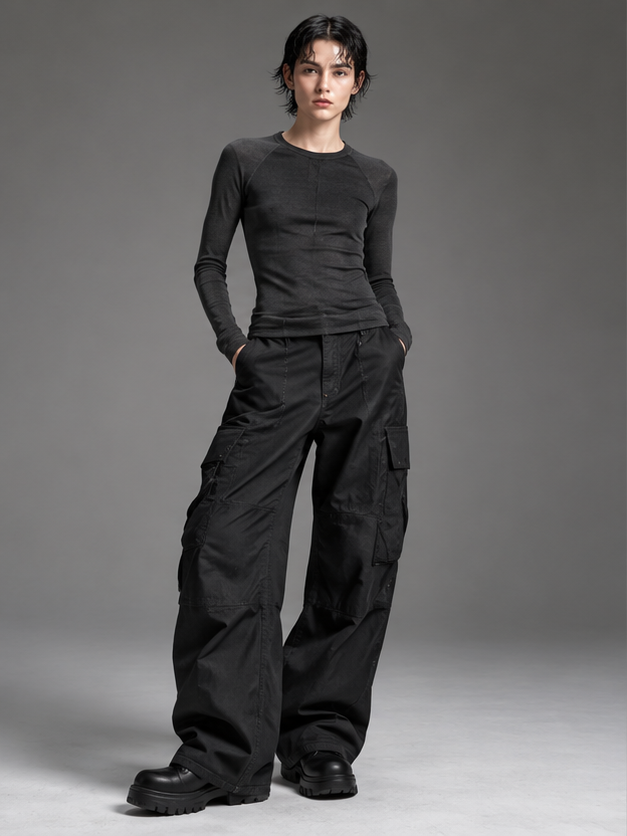
subject_definitions: <Subject 1> is the fictional adult with short dark hair, a fitted dark long-sleeve top and black cargo trousers in <Picture 1>. <Subject 2> is the fictional adult woman with long center-parted black hair and black sleeveless top in <Picture 2>. <Location 1> is the empty concrete hall with tall windows from <Picture 3>.
summary: [reference generation] A restrained ten-second science-fiction mystery conversation between <Subject 1> and <Subject 2> in <Location 1>. Each character keeps their own face, hairstyle and outfit.
retention_analysis: <Subject 1> (Shot 1): fully_preserved — short tousled black hair, angular face, dark fitted top and cargo trousers from <Picture 1>. <Subject 2> (Shot 1): fully_preserved — long center-parted hair, distinct softer face and black sleeveless top from <Picture 2>. Keep the two characters visually distinct; do not blend facial features or swap their voices. <Location 1>: background_reference — retain the empty concrete geometry and diffuse daylight from <Picture 3>.
detailed_description: [Shot 1, 00:00–00:10] One continuous, steady, cinematic medium two-shot in <Location 1>. <Subject 1> stands on screen left, facing <Subject 2> on screen right, separated by one meter. Slow lateral camera drift. At 00:01 <Subject 1> looks to <Subject 2> and says quietly, [English] Did you hear that? A small pause. <Subject 2> looks toward the upper windows and replies at 00:05, [English] It came from upstairs. They exchange a brief, concerned glance as the camera settles. Subtle expression changes and synchronized lips, natural conversational pacing. Keep both faces visible, correct speaker-to-mouth alignment, no cuts and no other characters.
overall_soundscape: Two distinct natural speaking voices, long concrete-room reverberation, very distant low mechanical hum, faint wind through the window joints.
non_diegetic_music: N/A
Setup Configs
Two-character dialogue scene Duration: 10 seconds; choose 243 frames / 24 fps. Suggested FIRST test output: about 0.60 megapixels, preserve reference aspect ratio via the official template if possible. Ref_image_size: match. Steps: 8 | guidance: 1.0 | sigma shifts: video 12.0 / audio 3.0 | VSA: 10%
Connect ordered inputs into ref_images on MiniMaxH3ReferenceToVideo: <Picture 1> -> Picture_1.png -> Character A, short dark haircut and black top <Picture 2> -> Picture_2.png -> Character B, long center-parted dark hair <Picture 3> -> Picture_3.png -> quiet concrete hall with windows
Do not connect these images to the First Last Frame to Video node.
Actual render quality and VRAM requirements will vary.
Output
https://www.youtube.com/watch?v=tS0chhNKt3E
Generation 5: Multi-Shot Commercial — 10 seconds
Input Image 1
Input Image 2
Input Image 3
Input Image 4
Input Image 5
Prompt
subject_definitions: <Subject 1> is the fictional adult with short dark tousled hair from <Picture 1>. <Subject 2> is the fictional woman with long center-parted black hair from <Picture 2>. <Product 1> is the oversized black quilted puffer with a bold solid red chest band from <Picture 3>. <Product 2> is the sculptural chrome sunglasses with dark lenses from <Picture 4>. <Location 1> is the circular concrete atrium in <Picture 5>.
summary: [reference generation] A ten-second three-shot luxury capsule-collection film connecting two models and two hero products in one architectural location. Stylish, restrained, consistent and photorealistic.
retention_analysis: <Subject 1> appears in Shot 1 and Shot 3: fully_preserved — same short haircut and face as <Picture 1>. <Subject 2> appears in Shot 2 and Shot 3: fully_preserved — same long black hair and face as <Picture 2>. <Product 1> appears in Shots 1 and 3: fully_preserved — exact black puffed silhouette and red horizontal stripe from <Picture 3>. <Product 2> appears in Shots 2 and 3: fully_preserved — stable polished chrome geometry and dark lenses from <Picture 4>. <Location 1> appears in all shots: background_reference — curved concrete, geometric daylight and central skylight from <Picture 5>.
detailed_description: Cinematic live-action advertising film with clean physical cuts; no superimposed typography or brand marks. [Shot 1, 00:00–00:03.3] Low-angle medium full-body shot of <Subject 1> in the atrium wearing <Product 1>. One confident step, a subtle camera push, and a clean view of the broad red stripe. Sunlight grazes the quilted surface. [Shot 2, 00:03.3–00:06.6] Cut to an elegant close-up of <Subject 2> wearing <Product 2>. She turns her chin a few degrees, catching an architectural reflection on the chrome frame. Same atrium, consistent light. [Shot 3, 00:06.6–00:10] Cut to a symmetrical medium-wide composition of both subjects standing side by side under the skylight: <Subject 1> wearing the red-band jacket and <Subject 2> wearing the chrome glasses. Both face the camera, with minimal natural movement. End on a clean editorial pose. Preserve identities and products across all three cuts, natural hands, no subject merging.
overall_soundscape: A single slow sneaker footstep in Shot 1, spacious concrete ambience throughout, slight jacket rustle, quiet transition whooshes at the two cuts.
non_diegetic_music: A minimal atmospheric electronic fashion cue with a low pulse, three soft metallic accents and a smooth ending.
Setup Configs
Three-shot capsule collection mini-commercial Duration: 10 seconds; choose 243 frames / 24 fps. Suggested FIRST test output: about 0.45 megapixels, preserve reference aspect ratio via the official template if possible. Ref_image_size: match. Steps: 8 | guidance: 1.0 | sigma shifts: video 12.0 / audio 3.0 | VSA: 10%
Connect ordered inputs into ref_images on MiniMaxH3ReferenceToVideo: <Picture 1> -> Picture_1.png -> first model identity <Picture 2> -> Picture_2.png -> second model identity <Picture 3> -> Picture_3.png -> shared featured puffer jacket <Picture 4> -> Picture_4.png -> featured chrome sunglasses <Picture 5> -> Picture_5.png -> shared location
Do not connect these images to the First Last Frame to Video node.
Actual render quality and VRAM requirements will vary.
Output
https://www.youtube.com/watch?v=dmXWdi0whKs
Conclusion
These five experiments explore how FastVideo FastH3 Omni Reference handles different reference-based video generation tasks, from combining characters and products to creating more complex cinematic sequences.
The main aspects we're evaluating are reference consistency, motion quality, prompt adherence, and the model's ability to combine multiple visual inputs into a coherent video.
By comparing the input references with the generated outputs, we can better understand where Omni Reference is useful, where it struggles, and how different prompts and reference combinations affect the results.
Ultimately, these experiments provide a practical look at what FastH3 Omni Reference can achieve inside ComfyUI and whether it's a useful option for reference-driven AI video production.
About the author
- HexGrid Cloud is building the infrastructure that makes powerful AI models accessible to everyone. We're creating a private AI cloud where developers, creators, and AI teams can deploy cutting-edge generative models, launch ready-to-use ComfyUI workflows, and access dedicated GPUs without the complexity of managing infrastructure. Our platform brings together three core capabilities: - ComfyUI Cloud: Launch preconfigured image and video generation workflows with models like MiniMax H3, Wan, LTX, and FLUX. Bring your own models, custom nodes, and LoRAs. - On-Demand GPU Cloud: Access dedicated NVIDIA GPUs, including H100, H200, A100, and B200, with transparent pricing and full control over your environment. - AI Model APIs: Integrate powerful AI models into applications without managing the underlying infrastructure.
Comments
Join the discussionNo comments yet. Be the first to comment.
AI Video Generation Models & Benchmarks
Explore real-world benchmarks, generated video comparisons, and performance evaluations of open-source AI video generation models, including Wan, LTX, and other emerging models. We test text-to-video and image-to-video generation using consistent prompts and reference images, evaluating motion quality, temporal consistency, prompt adherence, visual fidelity, and output stability. Each article features actual generated videos, ComfyUI workflows, inference configurations, GPU requirements, VRAM consumption, generation latency, and cost analysis. We also compare inference engines such as ComfyUI and vLLM-Omni to evaluate deployment performance, throughput, and hardware efficiency. Discover how different AI video models perform across real-world scenarios and find the right models, workflows, and infrastructure for your applications.